
Starting a mobile repair shop is an exciting business opportunity, but many entrepreneurs forget one important step—legal compliance.
A professional repair business should not only have skilled technicians and quality tools, but it should also operate with the necessary registrations, proper billing, customer records, and business documentation.
This Mobile Repair Shop License Guide explains the common registrations and legal considerations that new mobile repair businesses in India should understand before opening a shop.
Note: Laws and registration requirements may vary by state and business structure. Always verify the latest rules with the relevant government authority or a qualified tax/legal professional.
- Why Legal Registration Matters
- Do You Need a License for a Mobile Repair Shop?
- Shop & Establishment Registration
- GST Registration Explained
- UDYAM (MSME) Registration
- Business PAN & Current Bank Account
- Invoices & Billing Requirements
- Customer Job Sheet System
- Warranty Documentation
- Employee & Labour Compliance
- Fire & Electrical Safety
- CCTV & Customer Data Privacy
- Business Insurance
- Digital Payments & Accounting
- Why Choose Screen Fixer Institute?
- Frequently Asked Questions
- Conclusion
Why Legal Registration Matters
Customers trust businesses that operate professionally.
Proper registration can help with:
- Business credibility
- GST invoicing (where applicable)
- Opening a current bank account
- Working with suppliers
- Business expansion
- Government MSME benefits
- Maintaining proper records
A legal foundation also makes it easier to grow from a small repair counter into a larger service business.
Do You Need a License for a Mobile Repair Shop?
Many people ask:
“Which license is compulsory for a mobile repair shop?”
The answer depends on:
- Your state
- Business structure
- Annual turnover
- Number of employees
- Whether GST registration is applicable
Instead of one universal license, a repair business may require different registrations depending on its operations.
The most common ones are explained below.
Shop & Establishment Registration
One of the most common registrations for retail and service businesses is the Shop & Establishment Registration.
This registration is generally governed by state laws.
It may apply to businesses operating from:
- Retail shops
- Commercial establishments
- Repair centres
- Service businesses
- Offices
Requirements and procedures vary by state.
Before opening your shop, check the Labour Department portal for your state.
GST Registration Explained
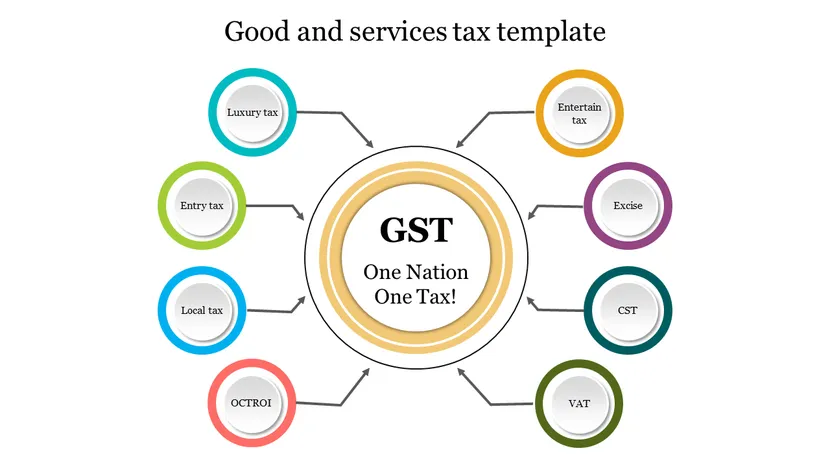
GST registration is not compulsory for every small business.
Whether you need GST depends on factors such as turnover and the nature of your business under applicable GST rules.
If registered, GST may help businesses:
- Issue GST invoices
- Claim eligible input tax credits
- Work with registered suppliers
- Serve certain business clients
Always consult the latest GST regulations before registering.
For official information, refer to the GST Portal.
UDYAM (MSME) Registration

Small businesses can also explore UDYAM Registration under the MSME framework.
Potential benefits may include:
- MSME recognition
- Easier access to certain government schemes
- Business identity
- Credit-related opportunities (subject to eligibility)
Registration is available through the official UDYAM portal.
Choosing a Business Structure
Before opening your repair shop, decide how the business will operate.
Common options include:
| Business Type | Suitable For |
|---|---|
| Sole Proprietorship | Individual owner |
| Partnership | Two or more partners |
| LLP | Growing service businesses |
| Private Limited | Larger expanding businesses |
A sole proprietorship is often the simplest starting structure for many small repair businesses.
Choose the structure according to your business goals and professional advice.
Business PAN & Current Bank Account

A separate business bank account helps maintain clear financial records.
It becomes easier to manage:
- Customer payments
- Supplier payments
- Expenses
- Salaries
- Business income
- Tax records
Avoid mixing personal and business finances whenever possible.
Invoices & Billing Requirements

Every completed repair should have proper documentation.
A professional invoice can include:
- Business name
- Address
- Phone number
- Invoice number
- Customer name
- Device model
- IMEI (if recorded)
- Repair description
- Parts used
- Amount charged
- GST details (if applicable)
Clear invoices improve customer confidence and business record keeping.
Customer Job Sheet System

A Job Sheet is one of the most important documents in a repair shop.
It records the condition of the customer’s device before repair.
A good job sheet may include:
- Customer name
- Contact number
- Device model
- IMEI
- Reported issue
- Physical condition
- Accessories received
- Estimated charges
- Technician name
- Customer signature
This protects both the customer and the repair business.
Warranty Documentation

If your shop offers warranty on repairs, explain the terms clearly.
A warranty card may mention:
- Invoice number
- Repair date
- Covered repair
- Warranty period
- Exclusions
- Business contact details
Avoid making unrealistic warranty promises.
Keep the policy simple and transparent.
Employee & Labour Compliance

If your repair business hires staff, additional legal responsibilities may apply depending on state and central regulations.
Areas to understand include:
- Employee records
- Salary documentation
- Attendance
- Working hours
- Labour compliance
- Applicable registrations
Consult the relevant Labour Department guidance for your state.
Fire & Electrical Safety

A repair workshop contains electrical equipment, soldering stations, and heating tools.
Basic safety practices include:
- Fire extinguisher
- Proper wiring
- Cable management
- Ventilation
- Safe soldering area
- Equipment maintenance
Safety protects both technicians and customers.
CCTV & Customer Data Privacy

Mobile phones often contain sensitive personal information.
Repair businesses should respect customer privacy.
Best practices include:
- Secure device storage
- Limited access to customer phones
- Clear customer consent
- CCTV for business security
- Proper repair records
- Responsible handling of personal data
Never access customer data without permission.
Business Insurance

Insurance is optional in many situations but may be worth considering depending on your business size.
Businesses sometimes explore coverage for:
- Shop assets
- Equipment
- Fire damage
- Theft
- Liability
Discuss suitable options with a licensed insurance advisor.
Digital Payments & Accounting

Modern repair shops should support convenient payment methods.
Common options include:
- UPI
- QR Code
- Bank Transfer
- Debit/Credit Card
- Cash
Use accounting software or organised bookkeeping to record:
- Sales
- Expenses
- Inventory
- Supplier payments
- Profit & loss
Good financial records make business decisions much easier.
Mobile Repair Shop Documents Checklist
| Document | Purpose |
|---|---|
| Shop & Establishment | Business registration |
| PAN | Business identity |
| Current Bank Account | Business transactions |
| GST Registration | Tax compliance (if applicable) |
| UDYAM | MSME registration |
| Rent Agreement | Shop proof |
| Aadhaar/PAN | Owner identity |
| Electricity Bill | Address proof |
| Job Sheet | Repair records |
| Invoice Book | Customer billing |
| Warranty Card | Repair warranty |
Common Mistakes to Avoid

Many new repair businesses make avoidable mistakes.
Ignoring Documentation
Maintain invoices and customer job sheets from day one.
Mixing Personal & Business Money
Use a dedicated business account.
No Customer Records
Always document received devices.
No Warranty Policy
Write warranty terms clearly.
Poor Inventory Records
Track spare parts professionally.
Ignoring GST Rules
Understand whether GST applies to your business before making tax-related claims.
Suggested Articles Links
Read more related articles:
- Mobile Repair Business Guide
- How to Start a Mobile Repair Shop
- Mobile Repair Shop Setup Cost
- Mobile Repair Business Investment
- Mobile Repair Business Profit
- Mobile Repair Shop Marketing
- Mobile Repair Shop Interior Ideas
- Mobile Repair Shop Equipment List
- Best Mobile Repair Tools
- Mobile Repair Technician Career
- Mobile Repairing Course
Recommended Government Portals Links.
| Resource | Purpose |
|---|---|
| GST Portal | GST information |
| UDYAM Registration | MSME registration |
| Startup India | Business guidance |
| State Labour Department | Shop & Establishment rules |
Why Choose Screen Fixer Institute?

Want to start your own mobile repair business?
Screen Fixer Institute helps students develop practical repair skills along with business knowledge.
Our Training Includes
- Android & iPhone Repair
- Mobile Hardware Repair
- Mobile Display Repair
- Edge Glass Repair
- Flex Bonding
- Track Repair
- COF IC Training
- Display Line Repair
- Fold & Flip Display Training
- Professional Tool Handling
- Business Guidance
- Lifetime Technical Support
Contact Screen Fixer Institute
📞 +91 9250414142
🌐 Website: https://screenfixerdelhi.com
Frequently Asked Questions
Is Shop & Establishment registration compulsory?
It depends on your state’s laws. Check the Labour Department rules where your business operates.
Do all mobile repair shops need GST?
No. GST applicability depends on turnover and other legal conditions.
Can I start as a sole proprietor?
Yes. Many small repair businesses begin as sole proprietorships.
Should I issue invoices for every repair?
Yes. Professional billing helps maintain customer trust and business records.
Is UDYAM registration useful?
Many eligible MSMEs choose UDYAM registration to access government recognition and related benefits.
Conclusion
A successful mobile repair business is built on technical skills, customer trust, and proper business compliance.
Understanding registrations, invoices, job sheets, warranty documentation, and financial records helps create a stronger foundation for long-term growth.
Before opening your repair shop, verify the latest legal requirements applicable in your state and build your business on a professional, transparent, and organised system.